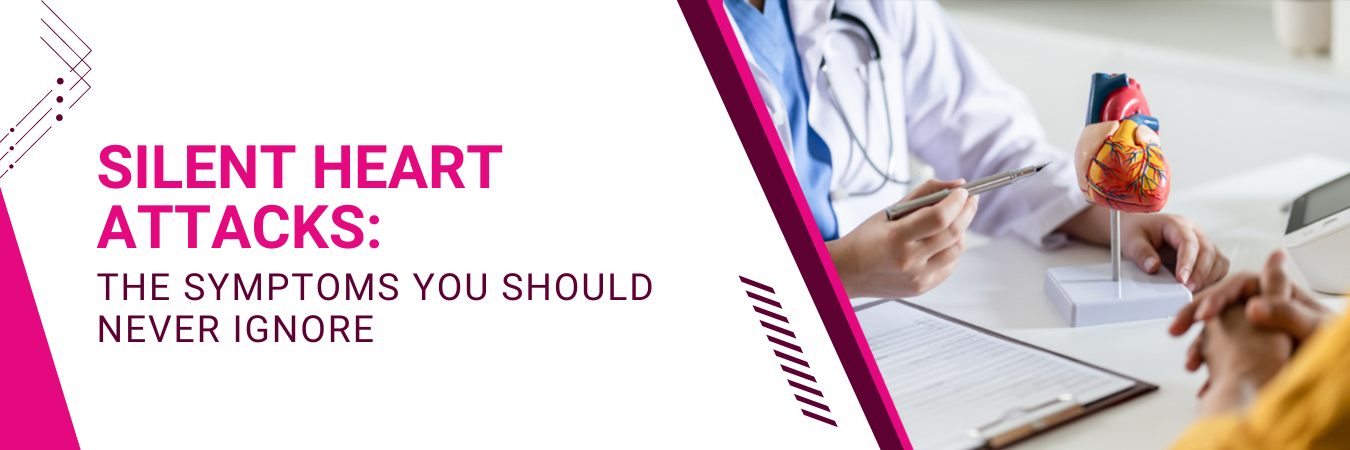
❤️ Silent Heart Attacks: The Symptoms You Should Never Ignore
A heart attack doesn’t always begin with sudden chest pain or dramatic symptoms. Many people experience what doctors call a silent heart attack — a cardiac event that occurs without the classic warning signs. At GOC Multispeciality Hospital, we believe awareness can save lives. Recognizing these subtle signals early can prevent severe complications and even death.
🫀 What Is a Silent Heart Attack?
A silent heart attack occurs when blood flow to a part of the heart is blocked, just like a typical heart attack — but without the obvious symptoms.
Instead of sharp chest pain, individuals may experience mild discomfort, fatigue, or shortness of breath, often mistaking it for indigestion, stress, or tiredness.
⚠️ Common Symptoms Often Overlooked
While everyone’s experience is unique, these are some signs that should never be ignored:
- Mild chest pressure or heaviness (not necessarily pain).
- Unexplained fatigue that lasts for days.
- Shortness of breath, even without physical exertion.
- Sweating or dizziness without a clear cause.
- Nausea or stomach discomfort, often mistaken for acidity.
These subtle signs can appear hours or even days before the actual cardiac event.
🧠 Why Silent Heart Attacks Go Unnoticed
Silent heart attacks are most common in:
- People with diabetes (who may have reduced pain sensitivity).
- Women, who often present with atypical symptoms.
- Older adults, who may dismiss mild discomfort as aging.
- Smokers or those with high blood pressure or cholesterol, who already have underlying heart risks.
The absence of pain often delays medical attention — which increases long-term damage to heart muscles.
🕒 The Hidden Danger
Even if you recover from a silent heart attack without immediate complications, the damage to the heart is real.
It increases your risk of another, more severe heart attack in the future.
That’s why timely detection through regular checkups and cardiac screenings is essential — especially if you fall in a high-risk category.
👨⚕️ When to Seek Medical Help
If you ever feel persistent tiredness, unexplained shortness of breath, or pressure in your chest or back, don’t ignore it. Visit a doctor immediately.
At GOC Multispeciality Hospital, our expert cardiology team is equipped with advanced diagnostic tools to detect early signs of heart disease — even before symptoms appear.
❤️ Prevention Is the Best Protection
Here’s how you can protect your heart every day:
- Maintain a balanced diet low in saturated fats and refined sugars.
- Exercise regularly (30 minutes a day, at least five days a week).
- Quit smoking and limit alcohol consumption.
- Manage stress through yoga, meditation, or deep breathing.
- Get regular heart screenings, especially after age 35.