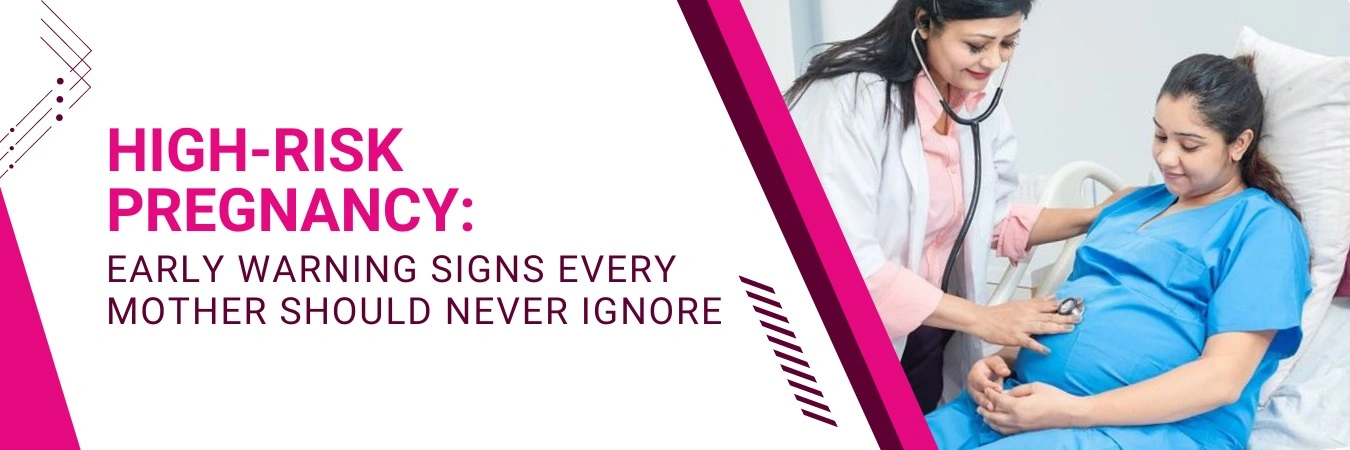
High-Risk Pregnancy: Early Warning Signs Every Mother Should Never Ignore
Pregnancy is a life-changing journey. For many women, it progresses smoothly with regular monitoring and care. However, some pregnancies require closer medical supervision due to underlying health conditions or complications that may arise during gestation.
A high-risk pregnancy does not mean something will definitely go wrong. It simply means that the mother, baby, or both need specialized medical attention to ensure a safe outcome. Early recognition of warning signs can prevent serious complications and protect two lives at once.
What Is a High-Risk Pregnancy?
A pregnancy may be classified as high risk when there are medical, obstetric, or lifestyle factors that increase the chances of complications.
Common risk factors include:
- Maternal age below 18 or above 35
- High blood pressure or diabetes
- Thyroid disorders
- Obesity
- Previous miscarriages or C-sections
- Multiple pregnancy (twins or more)
- Heart, kidney, or autoimmune conditions
High-risk pregnancies require regular monitoring by an experienced obstetric team and access to advanced diagnostic facilities.
Early Warning Signs You Should Never Ignore
Many complications show early symptoms. Ignoring them can delay treatment and increase risk. Here are critical signs that require immediate medical evaluation:
- 1️⃣ Severe or Persistent Headaches
Frequent, intense headaches—especially with blurred vision—may indicate pregnancy-induced hypertension or preeclampsia.
- 2️⃣ Sudden Swelling of Face, Hands, or Feet
Mild swelling is common during pregnancy. However, rapid or excessive swelling may signal high blood pressure complications.
- 3️⃣ Vaginal Bleeding or Fluid Leakage
Any bleeding during pregnancy should be assessed immediately. Fluid leakage may indicate premature rupture of membranes.
- 4️⃣ Reduced Baby Movements
If you notice a significant decrease in fetal movements after 28 weeks, consult your doctor without delay.
- 5️⃣ Severe Abdominal Pain
Persistent lower abdominal pain or cramping can indicate placental issues or preterm labor.
- 6️⃣ High Fever
Fever during pregnancy may suggest infection, which can affect both mother and baby if untreated.
- 7️⃣ Shortness of Breath or Chest Pain
This could be related to cardiac stress or blood clot risks and must be evaluated urgently.
Lifestyle Conditions That Increase Risk
Modern lifestyles have significantly contributed to pregnancy complications. Rising cases of:
- Gestational diabetes
- Hypertension
- Thyroid imbalance
- Sedentary habits
- Chronic stress
have made high-risk pregnancy management more common in urban populations. Early screening and preventive care play a crucial role in minimising complications.
Why Early Diagnosis Matters
Timely medical intervention can:
- Prevent preterm birth
- Reduce risk of fetal distress
- Control blood pressure and sugar levels
- Lower chances of emergency C-section
- Improve neonatal outcomes
Regular antenatal check-ups, blood tests, ultrasound scans, and fetal monitoring are not optional in high-risk cases—they are essential.
Advanced Monitoring for High-Risk Pregnancies
Premium maternity centers use:
- High-resolution fetal imaging
- Continuous fetal heart monitoring
- Non-stress testing (NST)
- Doppler studies
- Multidisciplinary support (cardiology, endocrinology, neonatology)
Such integrated care ensures immediate response in case of complications.
When Should You Seek Immediate Medical Help?
Visit the hospital immediately if you experience:
- Heavy bleeding
- Sudden vision changes
- Seizures
- Severe abdominal pain
- Decreased baby movement
- Persistent vomiting
Delaying care can significantly increase risk. Prompt medical attention saves lives.
Preventive Measures for a Safer Pregnancy
While not all complications are preventable, risk can be reduced through:
- Early pregnancy registration
- Regular antenatal visits
- Balanced nutrition
- Controlled weight gain
- Monitoring blood pressure and blood sugar
- Stress management and adequate sleep
A proactive approach always leads to better outcomes.
Frequently Asked Questions (FAQs)
- 1️⃣ Does high-risk pregnancy always lead to complications?
No. With proper monitoring and medical supervision, many high-risk pregnancies result in healthy deliveries.
- 2️⃣ Can lifestyle changes reduce pregnancy risks?
Yes. Managing diet, exercise, and stress can significantly reduce complications such as gestational diabetes and hypertension.
- 3️⃣ How often are check-ups required in high-risk pregnancy?
Visits are usually more frequent than in normal pregnancies and are scheduled based on medical condition and trimester.
- 4️⃣ Is C-section mandatory in high-risk pregnancy?