
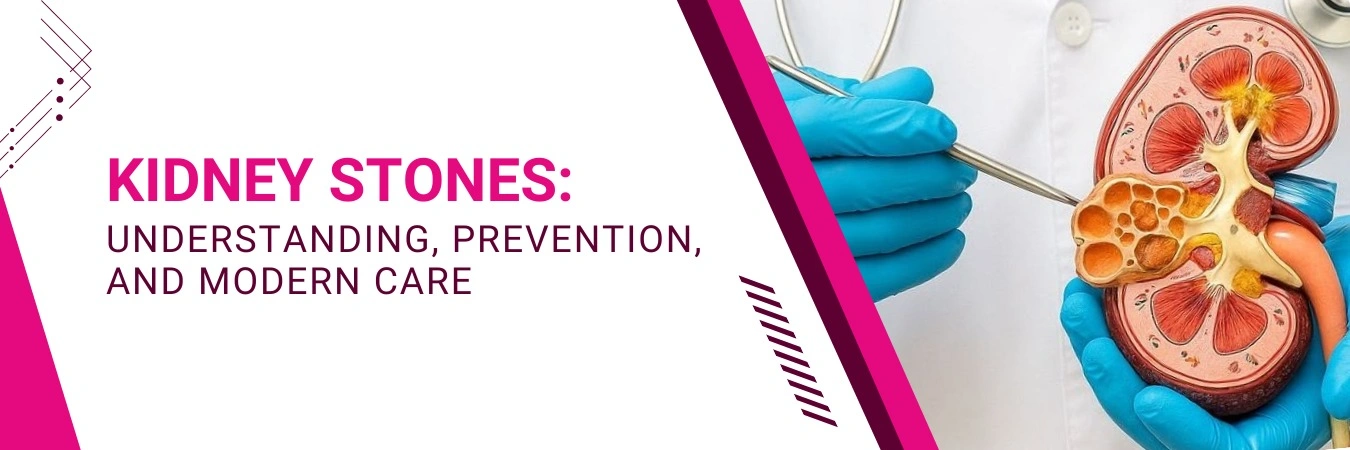
Kidney Stones: Understanding, Prevention, and Modern Care
Kidney stones are a frequently encountered health condition that can cause significant discomfort if not addressed in time. At GOC Multispeciality Hospital, we believe that awareness and early intervention are key to managing this condition effectively and maintaining long-term kidney health.
Understanding Kidney Stones
Kidney stones are solid formations that develop in the kidneys due to the accumulation of minerals and waste substances in the urine. Over time, these substances can crystallize and grow into stones of varying sizes. While some may pass naturally, others can lead to complications if left untreated.
Why Do Kidney Stones Form?
The formation of kidney stones is often linked to an imbalance in the body’s fluid and mineral levels. Several contributing factors include:
- 1️⃣Low water intake:
Not drinking enough fluids can concentrate urine, making stone formation more likely.
- 2️⃣ Unhealthy dietary patterns:
Diets rich in salt, processed foods, and excessive protein may increase risk.
- 3️⃣ Lifestyle factors:
Sedentary habits and weight-related issues can influence kidney function.
- 4️⃣ Underlying health conditions:
Certain metabolic or urinary disorders may contribute to stone development.
- 5️⃣ Genetic influence:
A family history of kidney stones can increase susceptibility.
Signs and Symptoms
Symptoms can vary depending on the size and position of the stone. Common warning signs include:
- Sharp pain in the lower back, abdomen, or side
- Burning sensation during urination
- Presence of blood in urine
- Nausea or episodes of vomiting
- Frequent or urgent need to urinate
These symptoms should not be ignored, as prompt medical evaluation can prevent complications.
Preventive Measures
In many cases, kidney stones can be prevented by adopting healthier daily habits:
- 1️⃣ Increase fluid intake:
Adequate hydration helps dilute substances that form stones.
- 2️⃣ Follow a balanced diet:
Limit salt and avoid excessive intake of oxalate-rich foods.
- 3️⃣ Stay physically active:
Regular exercise supports overall metabolic health.
- 4️⃣ Routine health monitoring:
Periodic check-ups can help identify risks early.
Diagnosis and Treatment Options
At GOC Multispeciality Hospital, we provide comprehensive diagnostic services, including imaging and laboratory evaluations, to accurately detect kidney stones.
Treatment is tailored to each patient’s condition and may include:
- 1️⃣Conservative management:
Medications to ease pain and assist natural passage of small stones.
- 2️⃣Non-invasive procedures:
Advanced techniques that break stones into smaller fragments for easier elimination.
- 3️⃣Surgical solutions: